Guide: Staying Warm in Older Buildings – Lower Heating Costs Without Renovation
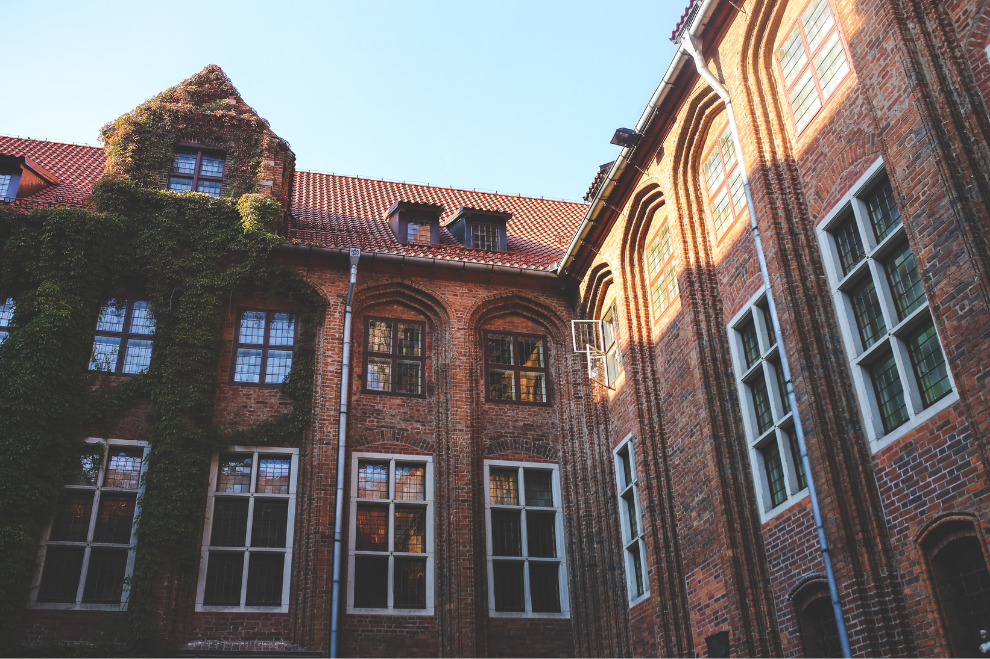
High ceilings, creaking floorboards, large windows: old buildings have their charm. But in winter, they often show their downsides. Drafty windows, cold floors, and heating that seems to be fighting against the height of the room. Energy-efficient renovation is expensive, takes a long time, and is often not in your hands at all. This guide shows what you can do today, without any renovation.
Why old buildings are so hard to heat
- High ceilings: Warm air rises. In rooms with ceiling heights of three meters or more, the heat collects where no one is sitting, while it remains cool at floor level.
- Drafty windows and doors: Older windows often no longer close tightly. Drafts constantly cool the room air.
- Cold floors: Floorboards above unheated basements or tiles feel cold, even when the air is warm.
- Little insulation: Exterior walls and radiator niches release a lot of heat to the outside.
1. Stop drafts
The cheapest and often most effective measure: sealing strips on window and door frames, draft stoppers in front of doors, and heavy curtains in front of large windows. Closed roller shutters or window shutters at night additionally keep heat in the room. A simple test: Hold a burning candle or your hand against the window seams on a windy day. Where it drafts, a seal is worth it.
2. Get heat out of radiator niches
In old buildings, radiators are often located in thin-walled niches under the window. A heat-reflective panel or foil behind the radiator can prevent part of the heat from going directly into the exterior wall. Also bleed the radiators regularly and do not block them with furniture.
3. Heat where you are, not under the ceiling
Especially in high rooms, the advantage of zone heating becomes particularly clear. Instead of always heating more and more air to temperature, which rises anyway, a heated rug like Aura heats directly at floor level, where you sit and where the cold is most noticeable. The heat acts directly on the body through contact and radiation. This feels pleasant even at a slightly lower room temperature.
Because Aura is not built-in but simply laid down, it is also suitable for sensitive old building floors such as old floorboards or historic parquet, which you do not want to tear up.
4. Optimize the heating system
Even without renovation, a lot can be improved with the heating: A properly set heating curve, a hydraulic balancing, and regular maintenance ensure that the system does not consume more energy than necessary. As an owner, you commission a specialist company to do this; as a tenant, you speak to your landlord.
5. Keep an eye on moisture
Old building walls cool down significantly on cold days. To prevent moisture and mold from forming, living spaces should not permanently drop below about 16 °C. Ventilate briefly and thoroughly several times a day and pay special attention to exterior corners and areas behind large furniture.
6. Plan for the long term
Anyone who owns property in an old building should sooner or later think about energy-efficient renovation. An independent energy consultation, for example from the consumer advice center, helps to find sensible steps and funding options. However, the measures in this guide work today, without having to wait for the renovation.
Conclusion
An old building does not have to be uncomfortable in winter. Stop drafts, reduce heat loss at radiators, and heat specifically where you spend your time: This makes it noticeably cozier, and heating costs drop, without any construction site.