Guide: Sustainable Heating with Solar and Wind Power
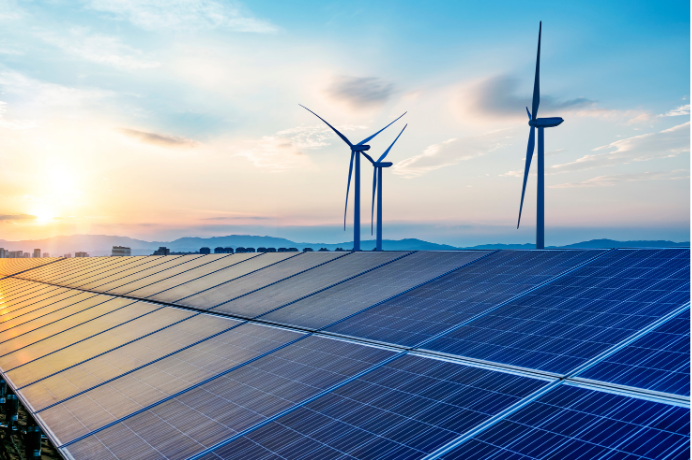
The sun and wind provide energy in one particular form: electricity. Today, more than half of the electricity consumed in Germany comes from renewable sources. To make this energy available for heating, devices that can use electricity directly are needed. This article explains why the heating transition is therefore becoming electric and what role zone heating can play in this.
Renewable energy is electrical energy
Solar systems and wind turbines do not produce fuel that could be poured into a boiler, but electricity. Anyone who wants to heat with solar and wind energy therefore needs electrical consumers: heat pumps, electric panel heaters, or heated rugs. Experts refer to this as sector coupling: the electricity sector is connected to the heating sector so that renewable energy can also reach the areas where gas and oil are still primarily burned today.
The problem: The sun and wind do not follow our needs
The sun shines at noon, and the wind blows whenever it wants. On sunny and windy days, sometimes more electricity is generated than is currently needed. Then prices on the electricity exchange sometimes drop below zero, and wind farms are curtailed, even though they could be providing clean energy. At other times, renewable electricity is scarce.
For a stable, renewable electricity system, two things are therefore important: storage and flexible consumers that use electricity when there is plenty of it and otherwise use it sparingly.
Which electric heaters are suitable for which purpose?
- Heat pump: It turns one kilowatt-hour of electricity into several kilowatt-hours of heat by using ambient heat. For the basic heating of an entire building, it is the most efficient solution.
- Direct electric heat: It converts electricity into heat one-to-one. This may sound less efficient, but it is not necessarily so: what matters is how much area and how many hours are heated. Anyone who only heats the area where they are currently staying, and only while they are there, needs very little energy overall.
Both approaches complement each other: building heating provides a moderate base temperature, while zone heating provides comfort where people are staying.
Zone heating as a flexible consumer
A heated rug like the Aura heated rug fits well into an electricity system based on solar and wind:
- Quickly adjustable: The thin heating surface reacts almost instantly and does not have to heat up a large mass of building components.
- Low power, targeted use: Only the occupied area is heated instead of the entire room.
- Heating on demand: With a timer or presence detection, the heating only runs when someone is there.
How to use more solar and wind electricity at home
- Your own solar electricity: Anyone with a photovoltaic system or a balcony power plant can use electric heat particularly affordably and in a climate-friendly way, especially during the transitional season when the sun shines during the day and it is still cool.
- Green electricity tariff: A tariff with electricity from renewable sources ensures that your electric heat also comes from solar, wind, and water on a balance-sheet basis.
- Dynamic electricity tariffs: Since 2025, all electricity providers in Germany must also offer dynamic tariffs whose prices are based on the hourly market price. Anyone who shifts their consumption to cheaper hours uses electricity exactly when there is a lot of renewable energy on the grid. This requires an intelligent measuring system (smart meter).
Conclusion
The heating transition is becoming electric because the sun and wind provide electricity. This requires efficient electrical consumers: heat pumps for basic heating and intelligent zone heaters for comfort where people actually stay. The more targeted and flexible we heat, the better renewable electricity can be used, and the faster heating costs and CO₂ emissions will fall.